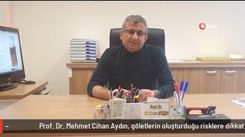
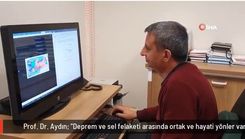
Mehmet Cihan Aydın: “There are common and vital aspects between earthquake and flood disasters.”
BITLIS – Bitlis Eren University Civil Engineering faculty member and Hydraulics–Hydrology expert Prof. Dr. Mehmet Cihan Aydın emphasized that although earthquakes and floods are fundamentally different natural events in terms of their formation, they share common and critical impacts in the areas they affect.
While the pain of the Kahramanmaraş-centered earthquakes—which caused extensive loss of life and destruction across 11 provinces—is still fresh, flood disasters recently occurred in Şanlıurfa, Adıyaman, and Malatya. Assessing these events, Prof. Dr. Aydın, who is also a founder of the Anatolian Underwater Research and Sports Association (ASAD), stated:
“Although the disasters in the earthquake zone are two entirely different natural events in terms of their formation, they actually share a common and vital aspect regarding the areas they affect. This stems from settlements being built on alluvial (depositional) areas formed by riverbeds and lake basins.”
Noting that recent events have heightened awareness of disaster risks to the highest level, Aydın continued:
“The earthquake on February 6, followed by the floods on March 15 in Adıyaman and Şanlıurfa, has maximized risk perception. The February 6 earthquakes showed that the areas suffering the most destruction are alluvial zones formed by rivers and lakes. These riverbeds are also highly risky for floods and inundations. Türkiye’s annual average precipitation is 60–70 cm per square meter (approximately 600–700 kg/m²). When precipitation does not follow seasonal averages—especially in winter and spring—it can lead to drought followed by intense rainfall, and consequently floods. Floods are among the most frequent natural disasters in Türkiye and, after earthquakes, rank second in causing loss of life and property.”
He added that to prevent future disasters, settlements should not be established on river and lake depositional areas, and existing settlements should either be relocated or reinforced with appropriate infrastructure and resilient construction.
“The Best Example: Yusufeli Dam”
Pointing to the Yusufeli Dam as a positive example in reducing earthquake and flood risks, Aydın said:
“Yusufeli is a good example in terms of mitigating earthquake and flood risks. As the world’s highest dam, Yusufeli Dam not only provides significant economic benefits through energy production but has also changed the fate of an entire district. Thanks to the dam built along the riverbed, the settlement was relocated to higher and safer areas, reducing both flood and earthquake risks. At the same time, new and robust construction replaced older structures.”